|
July 2-11
|
|
|
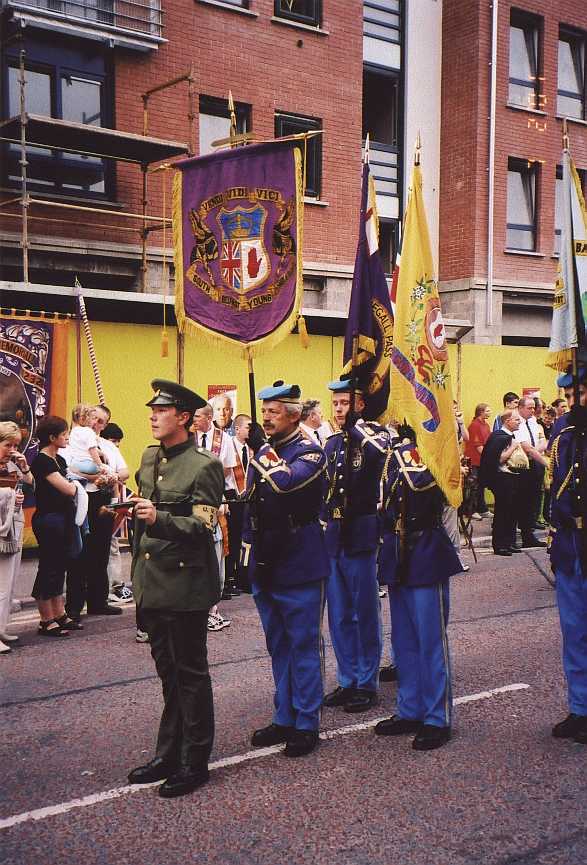
3 July 2001, 2pm I arrived safely in Belfast last night and soon found the local youth hostel. After getting a room, I went out to find some food. While outside, I heard the sound of fife and drum. Soon came marching by flocks of Ulstermen, clad with Protestant orange and other Unionist garb. It all seemed a rather cheerful display, but as I knew what it represented, I was soon gripped by a chilling feeling. I do pray that God will grant peace to this troubled land. |
|
|
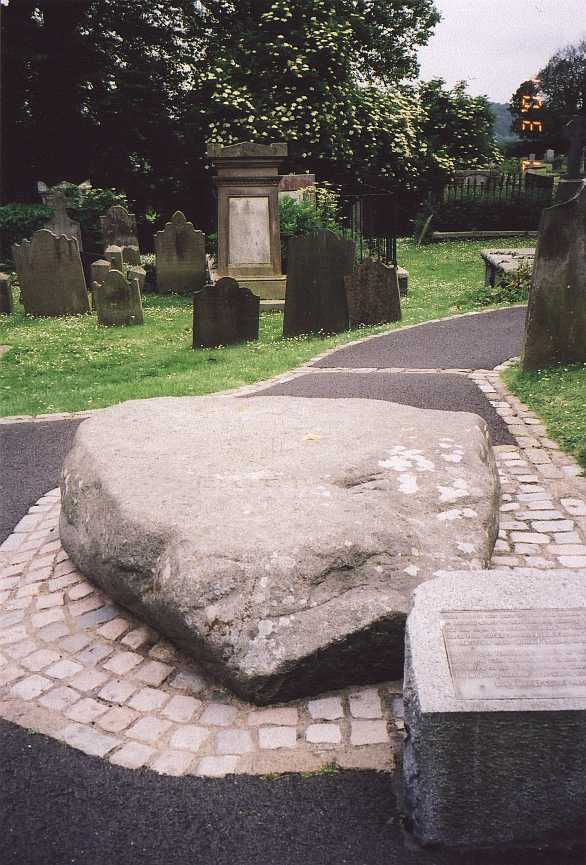
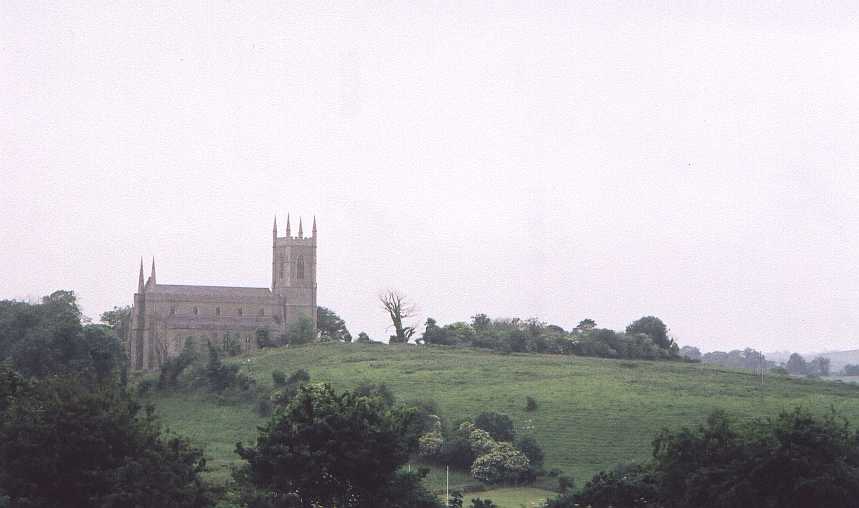
This morning, I rose and got some breakfast, after showering and morning prayers. Strolling down to the bus station, I boarded the bus for Downpatrick, where St. Patrick is buried, along with Ss. Columba and Brigid. Upon arrival, I viewed the presentation at the local exhibition center (which was quite good), then hiked up the hill to the cathedral. There is a stone in the churchyard there which claims to be the saint's grave, but he, along with Columba and Brigid, is buried somewhere else in the Hill of Down. I did make sure to gather up some earth from the hill, however. I'll now be going home with earth from Iona, Lindisfarne and Downpatrick.
|
|
|
I now await my bus back to Belfast. |
|
|
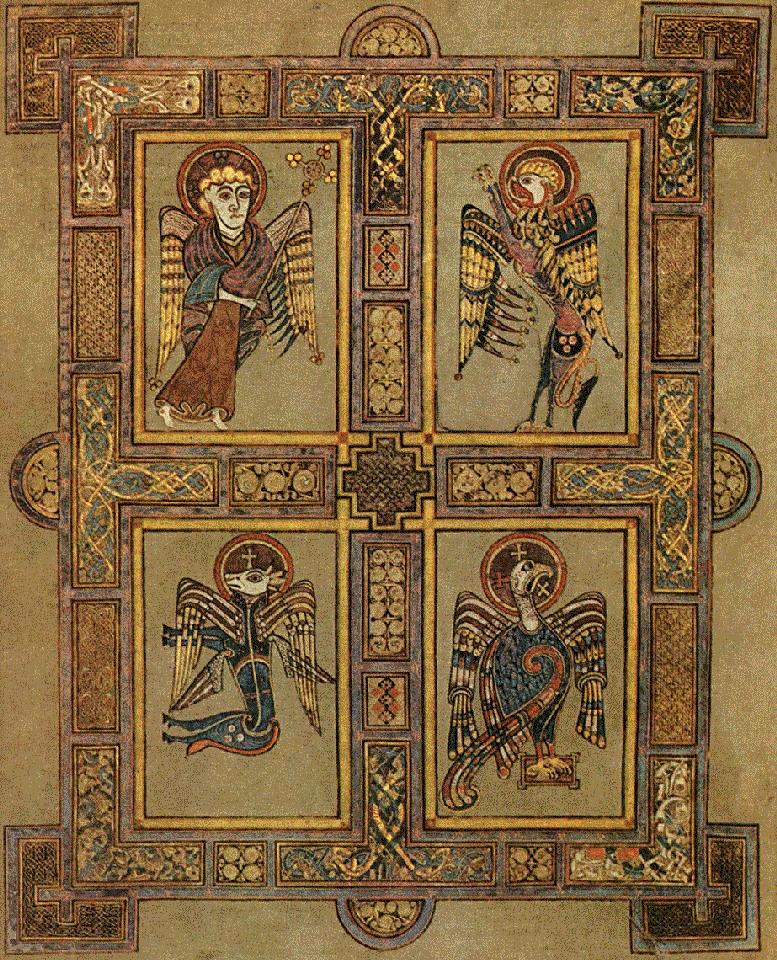
6 July 2001, 12:15pm On Wednesday, I took the train down to Dublin to see the truly magnificent Book of Kells, an illuminated Gospel book in Latin probably made on Iona. The book is housed in the library of Trinity College in Dublin, and they have a fine exhibition there. In approaching the book itself, there is clearly the presence of sanctity. Saints have held that book, and their lives so filled with Christ have lent some holiness to its pages. Like the Lindisfarne Gospels, I didn't want to leave it. |
|
|
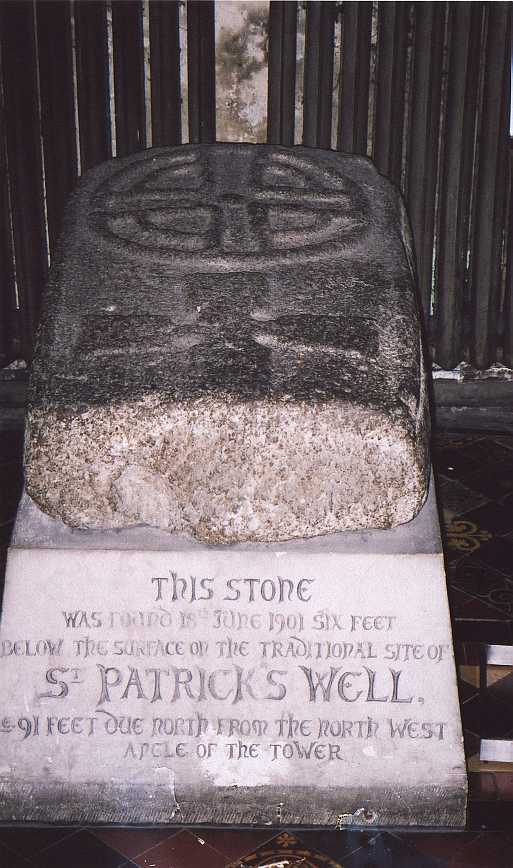
I did leave, however, and wandered about Dublin for a few hours, seeing the famous Christchurch and St. Patrick's Cathedral, near which is the well where the saint baptized many thousands in the Name of the Holy Trinity. After seeing these things, I returned on the train to Belfast, talking with some people on the train. |
|
|
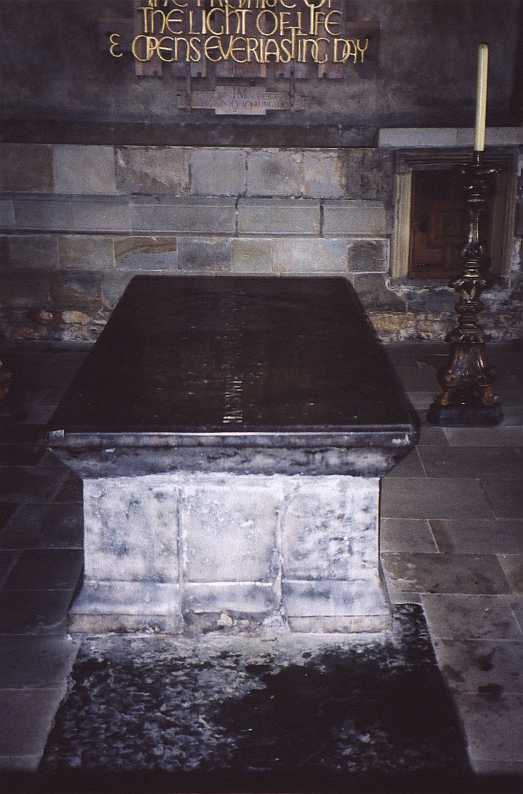
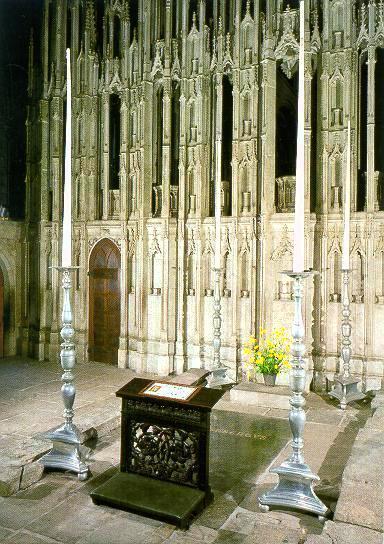
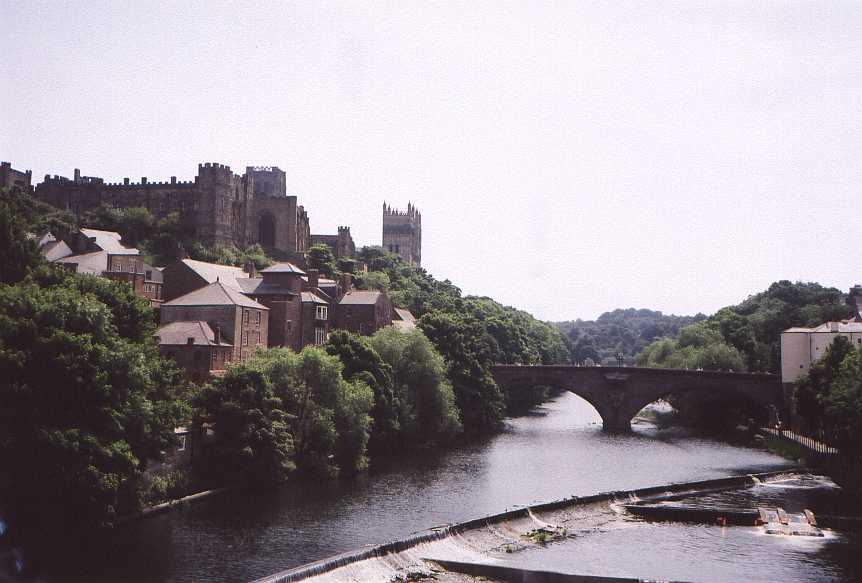
The next day, I rose early to catch the plane to Liverpool. Upon arrival in Liverpool, I went to the train station on Lime Street and boarded the train for Durham. In Durham is its famous early Gothic cathedral, much more open and spacious than later Gothic, which I've found develops more oppressively as the centuries roll by. There at the cathedral, I was grealy blessed to be able to venerate the relics of Ss. Bede and Cuthbert, for both are buried there. Being in their presence was indeed beyond words.
|
|
|
After looking around Durham a bit, I took the train back southwest and arrived in Manchester. I found a hotel and bedded down for the night. |
|
|
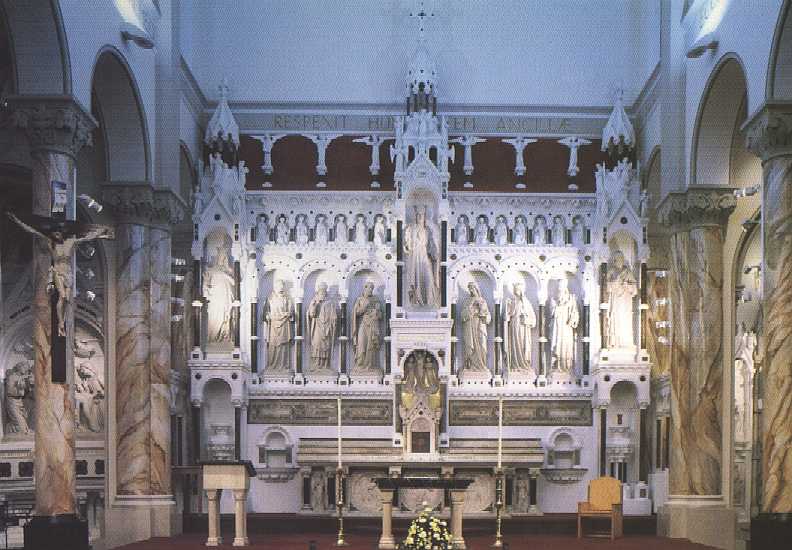
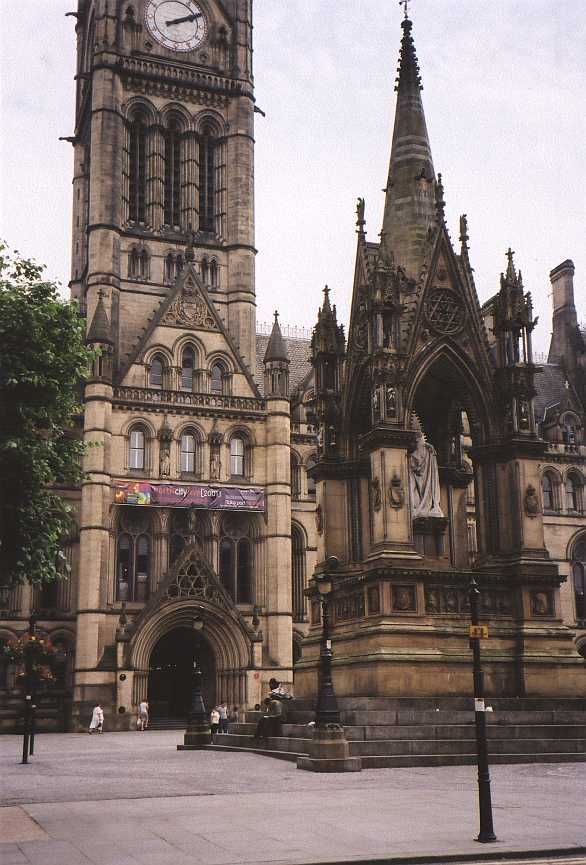
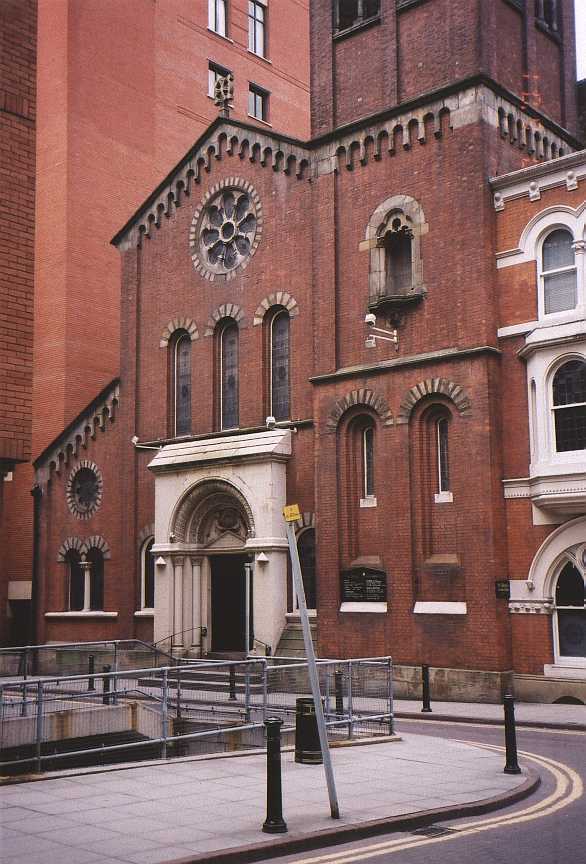
This morning, I rose, had breakfast, and set out to wander around the city a while. Along the way, I saw the breathtaking St. Mary's Catholic Church, also called the Hidden Gem. On the outside, it looks like a humble parish church, but on the inside, it has some of the most wodnerful sculpture work I have yet seen. I am now sitting across from the town hall and intend to wander a bit before I meet my contact locally, Fr. Gregory Hallam.
|
|
|
9 July 2001, 9:30pm Later Friday afternoon, I met Fr. Gregory at the Stockport rail station. I liked him immediately, and it turned out we had much in common. He took me to his home, and I later met his wife Helen and daughter Jennifer. |
|
|
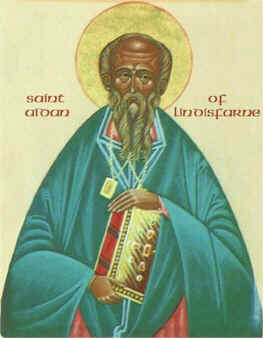
The next morning, we went to church. On one Saturday morning per month, St. Aidan's, Fr. Gregory's praish, serves a Divine Liturgy especially so that inquirers may attend who may otherwise be engaged on a Sunday. I met there Dcn. John-Mark Titterington, the parish deacon, like Fr. Gregory a former Anglican priest. The people of St. Aidan's are wonderful -- almost entirely all ex-Anglicans. |
|
|
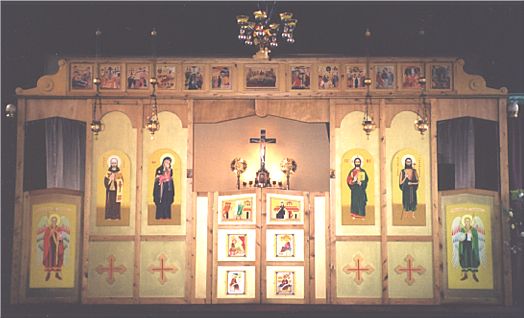
The building itself is humble, but it has been hallowed by the faith of the community, everything having been built by them from the ground up (excepting the building itself). The iconostasis was written by one of the parishioners, Michael Wilson, painted in a sort of Anglo-Saxon styoe with a Byzantine template. The four Evangelists on the royal doors are images from the Lindisfarne Gospels. All in all, I very much liked the place. |
|
|
In the afternoon, we prayed Vespers then returned home. The next morning, the Third Hour, Orthros and the Divine Liturgy were served, and as in the other services, I served in the sanctuary at the altar. On Sunday afternoon, we went to Chadkirk, a place in Stockport where St. Chad of Lichfield once had a monastic cell. There is also a holy well associated with him there. The next morning, I boarded the train for London. My time in and around Manchester was not very eventful per se, but being able to see some of the daily life of a mission priest was a blessing and definitely educational. In many ways, I would like to be the sort of priest that Fr. Gregory is. Upon arrival in London, I met up again with John Cunningham, and we had lunch and dinner together. Tomorrow's plan is to head to Cambridge. |
|
|
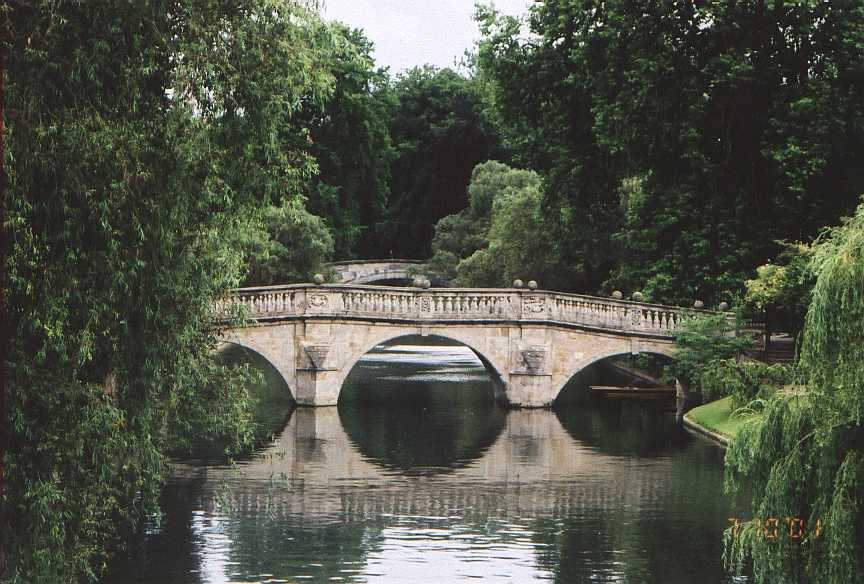
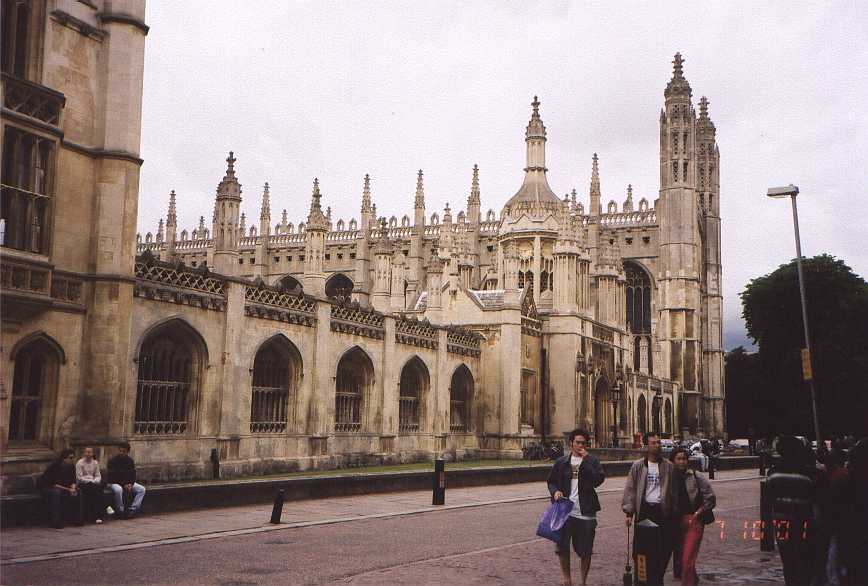
14 July 2001, 3:45pm I went to Cambridge on Tuesday and strolled about, seeing parts of the colleges and a number of churches. It is a pleasant and lovely town, though I wish I could have seen more. The next day, I went out and mailed the bits of soil to myself and made final preparations to come home. John and I shared lunch at an Italian restaurant near Victoria Station, a last meal in London. My flight back home was gladly uneventful, and I was quite happy to see my father's smiling face as he picked me up late at night at the Charlotte airport. We drove home, and then I collapsed on my parents' couch for the night. |
|
|
Epilogue I'm still considering and ruminating on what God has shown me in my pilgrimage. Much of it is still to unfold for me, I am sure. I do know, however, that I am filled with a new sense of God's closeness to us, and with that comes new hope and joy. |
The End
and
Glory be to God for all things!

Previous: S C O T L A N D